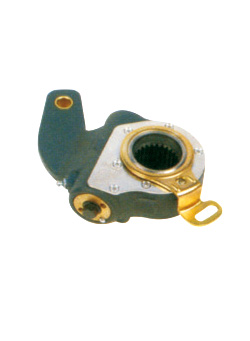
The core difference between automatic and manual slack adjusters is this: automatic slack adjusters (ASAs) self-compensate for brake lining wear without driver or technician intervention, while manual slack adjusters require periodic manual adjustment to maintain the correct pushrod stroke. Both de... read more
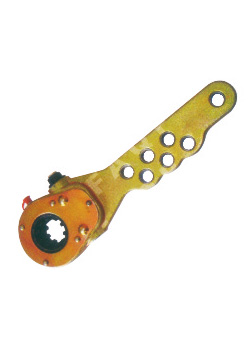
A manual slack adjuster is a mechanical device used in air brake systems on commercial trucks, trailers, and buses to maintain the correct distance — called brake stroke — between the brake shoes and the brake drum. It must be adjusted by a technician whenever brake lining wear causes the pushrod s... read more
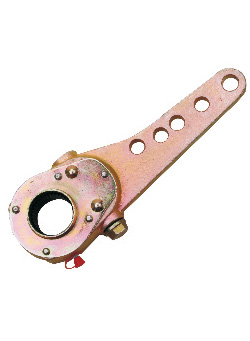
A manual slack adjuster chart is a reference table used by technicians to determine the correct push rod stroke limits, slack adjuster arm lengths, and adjustment specifications for drum brake systems on commercial trucks, trailers, and buses. Reading the chart correctly ensures brake chambers deli... read more
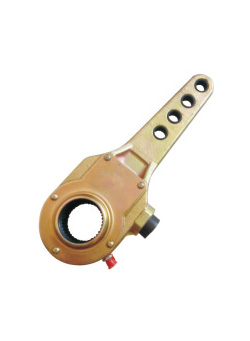
To adjust a manual slack adjuster, release the vehicle's parking brake, locate the adjuster arm on the brake assembly, rotate the adjustment bolt clockwise to tighten the brake or counterclockwise to loosen it, and verify the pushrod stroke falls within the legal limit of 1 inch to 2 inches (25–51 ... read more
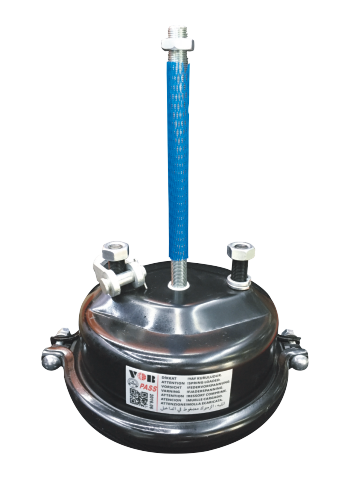
You can tell if a brake chamber is bad by checking for these clear warning signs: a hissing air leak around the chamber housing, a visibly cracked or corroded diaphragm, a push rod that travels more than 2 inches (50 mm) beyond the adjustment limit, a soft or spongy brake pedal feel, uneven braking... read more


 ES
 EN
 RU
 SA
 Contact Us