A tractor-trailer arrives at the workshop with a low brake pedal and a pull to the right under braking. The inspection sheet shows the service brake push rod stroke on the left rear axle at 2.5 inches, well over the 2-inch limit for a Type 30 chamber. The root cause is rarely the chamber by itself.... read more
What Is an Air Brake System and Why Do Heavy Vehicles Rely on It? An air brake system is a friction-based braking mechanism that uses compressed air as its power transmission medium. Unlike passenger cars that depend on hydraulic fluid, heavy commercial vehicles — including trucks, buses, and multi... read more
In commercial vehicle braking systems, a short stroke brake chamber is a compact pneumatic actuator engineered to deliver rapid brake application with reduced pushrod travel compared to standard stroke chambers. This design directly addresses the demand for faster response times and improved safety... read more
The fundamental purpose of a brake system is to convert a vehicle’s kinetic energy into thermal energy through friction, allowing the driver to safely decelerate, stop, and maintain stationary position on any gradient. Without this controlled energy conversion, a moving vehicle would remain an ungu... read more
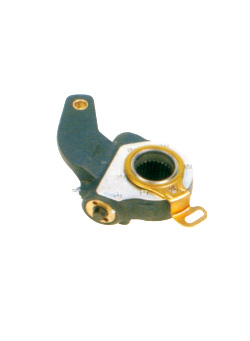
Air brakes on trucks work by using compressed air to transmit force from the driver’s foot to the brake chambers, which then press brake pads or shoes against rotating components to slow the vehicle. Unlike passenger cars that rely on hydraulic fluid, heavy commercial trucks demand the high clampin... read more


 ES
ES EN
EN RU
RU SA
SA Contact Us